
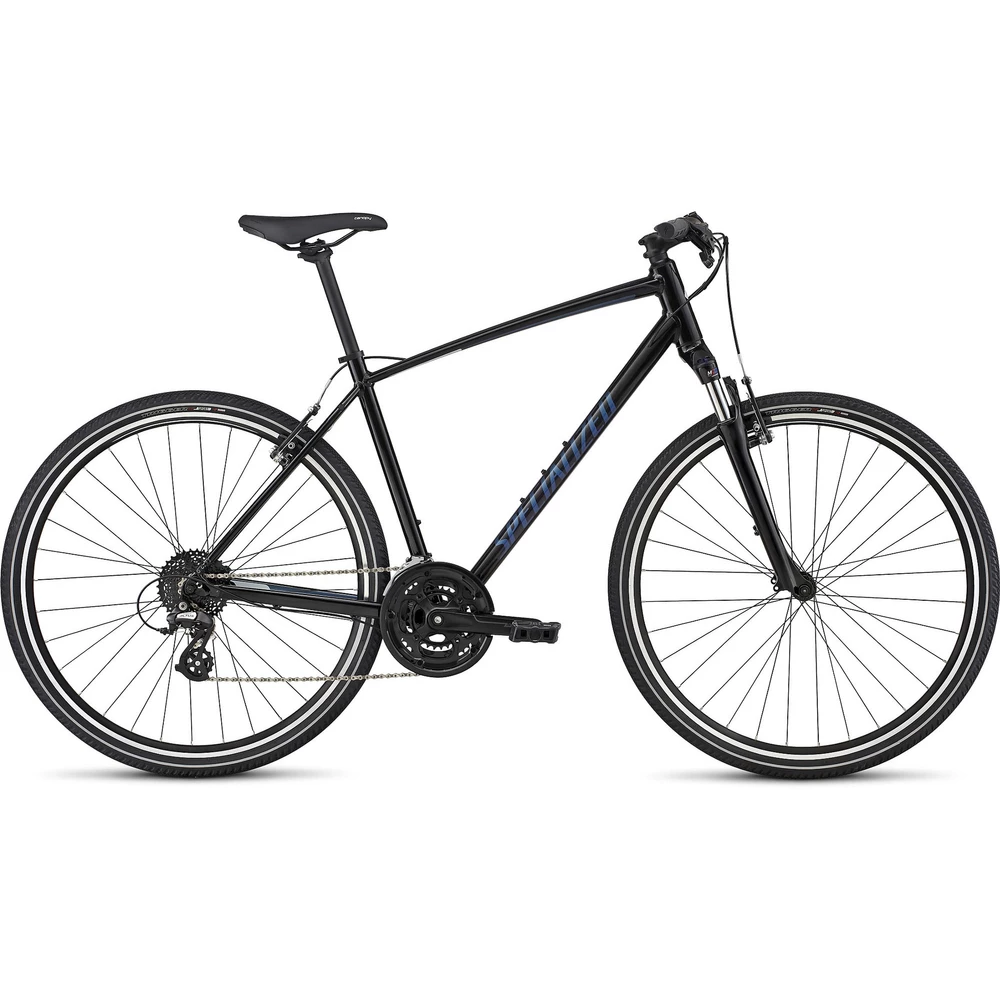
Summer has a way of exposing the wrong bike fast. The Specialized Crosstrail 3 is getting attention because it sits in the sweet spot many American riders want before warm weekends fill up: pavement speed, light trail comfort, and enough everyday practicality to work as more than a garage toy. That is the kind of bike people hunt when they want one purchase to cover fitness rides, park paths, grocery runs, and a lazy Saturday roll by the lake. It also explains why seasonal product watchers at PR Network keep seeing outdoor gear gain heat before the first long stretch of bright weather arrives. Specialized’s own Crosstrail material describes an aluminum fitness frame, rack and fender mounts, and a suspension fork meant to smooth mixed routes, which matches the reason buyers keep circling this line.
The catch is worth saying early. A “selling out” story around an older Crosstrail model should be read with care. Current public search results lean on official archive pages, dealer pages, resale listings, and older reviews rather than one fresh national stock feed. That does not kill the interest. It changes the buying advice. Treat the buzz as a signal to move sooner, ask sharper questions, and inspect condition before you pay summer pricing. A smart buyer sees demand, then slows down enough to avoid a bad frame size or a tired drivetrain.
What Is Pushing the Summer Rush?
The demand makes sense because June and July change how people shop for bicycles. A rider who ignored the garage all winter suddenly wants a bike that can handle weekday errands, weekend paths, and a few miles of rough pavement without feeling slow. That is the hybrid bike lane at its best: practical, friendly, and broad enough for real life. The buyer is not always a hobby cyclist. Often, it is a parent near a greenway, a college student moving off campus, or a desk worker who wants fresh air after dinner. This buyer is also sensitive to timing. If the local shop has two suitable sizes left, or the used listing is ten miles away instead of ninety, the decision window gets narrow.
A practical bike beats a fantasy bike in June
The first warm spell does something funny to buyers. They stop daydreaming about race bikes and start asking whether a bike can carry a lock, roll over broken asphalt, and feel stable near traffic. A garage queen has less appeal when the beach path, rail trail, or local coffee run is calling.
That is where the Crosstrail idea still has pull. It was never built as a pure road machine or a full mountain bike. It sits between them, and that middle ground is less boring than it sounds. On a Tuesday, it can be a commuter bike. On Saturday, it can follow a crushed-limestone path without making the rider feel under-biked.
The non-obvious part is that seasonal demand is not always about the “best” bike on paper. It is often about the least risky choice. A buyer in Denver, Minneapolis, Austin, or Raleigh may not know exactly how much off-road riding they will do. A bike that feels ready for more than one surface lowers that fear. That feeling matters when someone is spending their own money and hoping the bike will not become another dusty mistake.
Older stock can vanish faster than new launches
Older models behave differently in the market. A new model can be reordered, shifted among shops, or promoted by the brand. An older Crosstrail depends on what local dealers still have, what owners list, and what sizes show up close enough to inspect. Scarcity gets sharper because the pool is already thin.
That creates a strange summer effect. A flashy new release may dominate headlines, but a familiar used model can disappear faster in practical sizes. Medium and large frames often move first in many local marketplaces because they fit a wide band of adult riders. Small and XL frames can linger, then vanish once shoppers get flexible.
This is why a smart buyer should watch listings by size, not by title alone. A fair price on the wrong frame is not a deal. Fit comes first, then condition, then parts. If those three line up, waiting another two weeks for a tiny discount can backfire when the same buyer pool wakes up. Summer cycling demand rewards the person who already knows what to check before the listing appears.
The Ride Feel That Makes This Model Easy to Trust
The reason the Crosstrail name still earns attention is not mystery. It is the feel of a stable fitness bike with enough forgiveness for rough routes. Specialized described the Crosstrail around an A1 Premium aluminum frame, comfort-minded geometry, and rack and fender mounts, while dealer spec pages point to 700c wheels and wider tires that suit road and path use.
A good hybrid can feel plain during a short test ride, then prove itself over months. That is the charm here. The bike does not beg you to sprint. It does not punish you for sitting upright. It works best when the ride has a few imperfect pieces: a hill, a patch of gravel, a stop sign, a curb cut, and a mile of smooth pavement after all that.
Suspension fork comfort without mountain-bike bulk
Front suspension on a hybrid can be misunderstood. People see a fork and assume the bike is trying to be a trail machine. That misses the point. For many riders, the suspension is there for cracked sidewalks, tree-root bumps, brick paths, and the rough edge of a neighborhood shortcut.
The Crosstrail line used short-travel suspension rather than long-travel trail equipment. Public spec pages for recent Crosstrail hydraulic-disc versions list an SR Suntour NEX fork with 55mm of travel, while the older official page describes a custom fork with 60mm of travel. That is comfort travel, not jump-line travel.
That matters for summer cycling because fatigue often comes from tiny impacts, not dramatic hits. A ten-mile loop through a U.S. suburb can include cracked bike lanes, sloped driveway lips, patched asphalt, train crossings, and gravel near construction zones. A little forgiveness helps the ride feel less punishing. It also helps new riders stay calm, which is underrated when traffic, kids, dogs, and potholes share the same route.
Why 700c wheels matter on mixed pavement
The 700c wheel choice is another reason the bike works for mixed-surface riding. It rolls more like a fitness bike than a slow comfort cruiser, yet the tire width gives you more margin than skinny road tires. Retailer details for the Crosstrail Sport list 700 x 38c Specialized Trigger Sport tires, which fits that practical middle.
A rider feels this most on ordinary routes. The bike can hold speed on a paved greenway, then cross a gravel parking lot without turning nervous. That does not mean it should be treated like a hardtail on rough singletrack. It means the bike is less fussy when the surface changes without warning.
The counterintuitive lesson is that speed is not only about weight. Confidence saves energy. If you are tense every time the pavement breaks, you slow down, grip harder, and tire out sooner. A steady hybrid bike can feel faster over a real route because the rider stays relaxed. This is also why tire condition matters so much on a used model. A worn tire can make a good frame feel dull, loud, or skittish.
Why the Specialized Crosstrail 3 Has Summer Timing on Its Side
Warm-weather buying has a rhythm. The first group shops early because they know what they want. The second group waits until the weather turns good. The third group starts hunting after a friend posts a trail photo or a local path ride turns into a plan. By then, the easy picks are often gone. That pattern is not hype alone. It is how seasonal habits work when daylight runs long and every local path looks more inviting.
One bike for errands, paths, and weekend mileage
The strongest case for this kind of bike is not sport. It is use. A rider may want to pedal to a farmers market, meet friends on a river trail, get back into fitness after work, and avoid taking a car for every short trip. A commuter bike that also feels fun on a path has more chances to leave the house.
That is why the “one bike” promise works when it is honest. No, it will not replace a carbon road bike for fast group rides. No, it will not replace a trail bike in rocky terrain. But it can cover the routes most casual riders talk about and then never fully define: “a little road, a little trail, some neighborhood stuff.”
For buyers, that flexibility lowers the chance of regret. The bike does not demand a full identity change. You do not need to become “a cyclist” with a closet of kit. You can wear normal shorts, ride to the park, and build from there. For many Americans, that is the difference between buying a bike and using it twice, or riding it three evenings a week because it feels easy to choose.
The quiet value of mounts, fit, and parts
Small frame details matter more once the bike becomes part of a routine. Rack and fender mounts sound dull on a showroom tag, but they become useful when a rider wants a rear rack for a work bag or fenders for wet streets. The official Crosstrail page calls out rack and fender mounts as part of the bike’s all-use design.
Fit also carries more weight than shoppers expect. A bike that is a touch too long may feel fine for five minutes in a parking lot, then annoy your shoulders after forty minutes. A bike that is too small can feel twitchy, which is no gift near traffic. This is where a local test ride beats a pretty online photo.
One older road.cc review praised the Crosstrail Sport as dependable and well balanced, while also saying its parts package was not the best value against rivals at the same price. That criticism is useful, not fatal. It tells buyers to separate frame feel from component value before paying a hype-driven price.
The better question is not “Is the spec perfect?” It is “Does this bike fit my rides at the price in front of me?” A strong frame with average parts can still be a good buy when the price is honest and the wear is low. A famous logo with tired parts can be a trap.
What Buyers Should Check Before Chasing the Hype
The wrong way to buy a popular older bike is to panic. The right way is to move quickly but inspect slowly. Summer pressure should make you prepared, not careless. A clean-looking bicycle can hide worn brake pads, tired tires, a stretched chain, or a fork that no longer moves well. That matters because repair costs are not background noise. They are part of the real purchase price. A chain, cassette, brake bleed, and two tires can erase the charm of a bargain in one shop visit. The best deal is the bike that still feels like a deal after a mechanic looks at it.
Inspect the bike like a rider, not a fan
Start with the frame. Look closely around welds, the head tube, the bottom bracket, and the dropouts. Scratches are normal. Cracks, dents, ripples, and odd paint lines need caution. If the seller acts annoyed when you inspect those areas, that tells you something.
Next, check the wear items. Squeeze both brakes. Shift through every gear under light pedaling. Spin each wheel and watch for wobble. Look at tire sidewalls, not only tread. A bike with a fair asking price can become expensive if it needs tires, pads, chain, cassette, cables, and a tune-up in the first week.
Do not skip safety gear either. NHTSA tells riders to fit a helmet well, ride predictably, check equipment, watch for hazards, and choose safer routes when riding near traffic. That advice belongs in any summer cycling plan because the first ride after purchase is when excitement can outrun judgment. NHTSA bicycle safety guidance
A short parking-lot test is not enough if the seller allows more. Ride up a mild hill. Brake from moderate speed. Turn one-handed as if signaling. Listen when you pedal hard for five seconds. Those little checks reveal more than a polished photo ever will, and they help you decide whether the bike is ready for mixed-surface riding now or after shop work.
Know when a newer alternative makes more sense
Demand can make buyers romantic. A name gets hot, listings dry up, and suddenly every scratched frame looks like a rare chance. Slow down. The right used Crosstrail can be a smart buy, but a newer hybrid bike from Trek, Giant, Cannondale, Marin, or Specialized’s current fitness range may fit better if parts support, warranty, or dealer service matters to you.
This is where the road.cc criticism has bite. A bike can ride well and still be overpriced against rivals. That is not a contradiction. It is the market. Brand trust, summer timing, and low local supply can push the asking price above what the parts deserve.
A simple rule helps: price the bike plus the first repair. If the seller wants $500 and the shop says it needs $180 in work, you are judging a $680 purchase. At that point, compare it with new or certified used options. The better deal is the bike you will ride often, not the one that wins a comment-thread argument. For more planning before you shop, pair this with a hybrid bike buying guide and a summer cycling gear checklist so the purchase does not stop at the frame.
Conclusion
The summer bike market rewards the prepared buyer. A model can gain attention for good reasons and still require calm judgment. That is the case here. The frame concept, upright fitness feel, mixed-route comfort, and everyday mounts all explain why shoppers are watching this style of bicycle closely before vacation season and long evenings outside. The Specialized Crosstrail 3 makes sense for riders who want one bike for pavement, park paths, errands, and light adventure without acting like every ride is a race.
Still, the smartest move is not to chase the headline. Check the size. Inspect the parts. Compare the total cost after service. Ask whether you need comfort, speed, cargo options, or trail confidence most. If the answer points back to this model and the condition is honest, move before the next buyer does. Then make the first week count. Set tire pressure, adjust the saddle, add lights, and take a familiar route before chasing distance. Good summer bikes rarely wait around for perfect timing, but good ownership starts after the payment.
Frequently Asked Questions
Is this bike good for beginners?
Yes, it suits beginners who want a stable ride for pavement, paths, and light gravel. The upright position feels less aggressive than a road bike, and the wider tires add comfort. A test ride still matters because frame size can change the whole experience.
Can I use it as a daily commuter bike?
Yes, it can work well for commuting, especially if you add lights, a lock, fenders, and a rear rack. The mounts make those upgrades easier. For longer city commutes, check tire condition and brake strength before relying on it every day.
Is it fast enough for fitness riding?
It is fast enough for steady fitness rides, solo loops, and casual group outings. It will not feel as quick as a road bike with narrow tires. Its strength is comfort over mixed routes, which helps many riders stay consistent.
What size should I buy?
Choose size by height, inseam, reach, and test-ride feel rather than a listing title. You should stand over the frame safely and reach the bars without shoulder strain. If you are between sizes, ask a bike shop to check fit.
Should I buy used or wait for a newer model?
Buy used only when the fit, condition, and total repair cost make sense. A newer model may be better if you want warranty support or easier parts service. Compare the full price after tune-up, not the sticker alone.
Can it handle gravel trails?
Yes, it can handle light gravel, crushed stone, park paths, and tame dirt routes. It is not meant for rocky mountain trails or jumps. Tire pressure, tread condition, and rider skill matter more than the model name on loose surfaces.
What should I inspect before buying one?
Check the frame, fork, wheels, brakes, gears, chain, tires, and seatpost. Listen for creaks during the test ride. Ask when it was last serviced. A clean bike with worn drivetrain parts can still cost more than expected.
Why is summer demand higher for this type of bike?
Warm weather turns casual interest into action. People want bikes for fitness, errands, park rides, and weekend plans. A mixed-use bicycle feels safer to buy because it covers many routes, so good local options can disappear fast.