

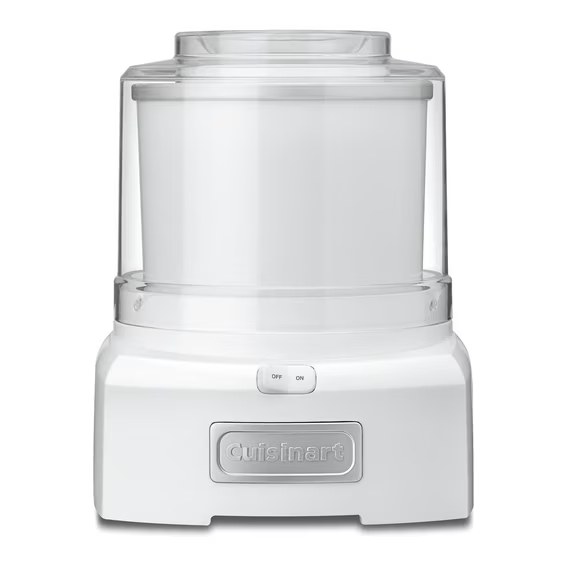
The first warm stretch of the year has a way of exposing what people wish they had bought sooner. The Cuisinart ice cream maker fits that exact pattern because it promises a simple summer payoff: cold dessert at home without a loud compressor, salt, ice, or a giant machine taking over the counter. Cuisinart lists the ICE-21P1 as a fully automatic 1½-quart machine that makes frozen treats in 20 minutes or less, with a double-insulated freezer bowl and a limited 3-year warranty. That mix explains the rush better than hype alone. U.S. shoppers are not chasing a luxury gadget. They are chasing peach sorbet after a cookout, strawberry frozen yogurt for kids, and homemade ice cream that tastes like the weekend without costing as much as a family trip to the scoop shop. For anyone tracking useful home buys through smart consumer shopping updates, this is the kind of small appliance that gains steam because it solves a seasonal problem in a plain way.
The Summer Rush Is Less Random Than It Looks
Small kitchen appliances usually surge for one of two reasons: a discount makes them tempting, or a season makes them feel urgent. This one has both forces working in its favor. The Cuisinart ICE-21 sits in that sweet spot where the price feels reachable, the promise feels fun, and the learning curve does not scare off casual cooks. Cuisinart’s own listing shows a $69.95 price at publication time, while major review coverage has also placed the model under $100 in recent testing.
Warm Weather Turns A Nice-To-Have Into A Weekend Plan
A frozen dessert maker feels optional in February. By late spring and summer, it starts to feel like part of the plan. Families are grilling again. Kids are home more often. Friends stop by with short notice. Suddenly, a bowl of vanilla base in the fridge feels smarter than another run to the store.
That is why this machine can move fast even without being new. It does not need a dramatic launch. It benefits from timing. The first backyard birthday party, pool afternoon, or Fourth of July menu can push a buyer from “maybe later” to “order it today.”
The non-obvious part is that summer demand is not only about dessert. It is about control. You choose the sweetness, the dairy, the fruit, and the mix-ins. For U.S. households dealing with food allergies, picky eaters, or grocery prices, that control matters more than novelty.
The Price Feels Low Enough To Risk Trying
A compressor machine can cost several hundred dollars, and that makes the decision feel serious. The ICE-21 does not ask for that kind of commitment. It works like an entry pass into homemade ice cream, frozen yogurt, and sorbet rather than a full hobby setup.
That matters because most buyers are not trying to become dessert experts. They want one good batch. Maybe two. If the first vanilla turns out soft but tasty, the machine has already earned a place in the summer kitchen.
There is also a quiet gifting angle here. A summer kitchen appliance under the $100 mark can work for weddings, new apartments, Father’s Day, housewarming parties, or parents who already own every pan they need. It feels more personal than another serving tray.
Why This Ice Cream Maker Keeps Beating Flashier Machines
The Cuisinart ICE-21 wins because it refuses to act fancy. It has one main job, and that job is easy to understand before you even open the box. Freeze the bowl, pour in the base, turn it on, and watch the paddle do the work. Serious Eats named the ICE-21P1 its top pick in a 2026 tested roundup, noting its simple setup, fast churn times, and airy results compared with other models.
Simple Controls Make People Use It More Often
A machine can have ten settings and still sit untouched. This one avoids that trap. The single-switch design lowers the mental cost of using it on a weeknight. You do not need to decode a panel or read a thick manual every time.
That ease helps beginners. A parent can make a quick strawberry base before dinner, freeze the bowl ahead of time, and let the machine churn while plates get cleared. The process feels like cooking, not operating equipment.
Here is the catch buyers sometimes miss: simple does not mean careless. The freezer bowl needs enough time in the freezer. The base should be cold. Mix-ins should go in near the end. The machine is easy, but it rewards a little patience.
The Freezer Bowl Is The Strength And The Tradeoff
The double-insulated bowl is the reason the machine can stay compact and affordable. It also removes the messy salt-and-ice routine that older bucket machines require. Cuisinart states that the bowl design removes the need for ice, and the model makes up to 1½ quarts per batch.
But the same bowl creates the main limit. It must live in your freezer long enough to get fully cold. If your freezer is packed with frozen pizza, meat, and half-open bags of vegetables, the real question is not whether the machine fits your counter. It is whether the bowl fits your freezer.
That detail separates happy owners from annoyed ones. People who keep the bowl frozen all summer use the machine on a whim. People who store it in a cabinet have to plan a day ahead. The machine has no magic shortcut for that.
What Buyers Should Know Before They Clear Freezer Space
The ICE-21 is a strong buy for the right person, but it is not the right machine for every kitchen. It makes sense for people who want small-batch frozen desserts, easy cleanup, and a lower-cost way to experiment. It makes less sense for someone who wants back-to-back batches for a big crowd or dense gelato-style results every time.
Batch Size Works Best For Small Gatherings
The 1½-quart capacity sounds modest, and that is part of its appeal. A batch can cover a family dessert, a small dinner with friends, or a few nights of after-dinner scoops. It is not built for feeding twenty people at a graduation party.
That should not be seen as a flaw. Smaller batches invite better flavors. Peach with buttermilk. Coffee with crushed chocolate cookies. Lemon sorbet after ribs. When the batch is smaller, you can take flavor risks without wasting a full freezer shelf.
For bigger events, the smarter move is to churn a day ahead and harden the dessert in a separate container. That turns a small frozen dessert maker into a prep-friendly tool. You are not stuck hovering over the machine while guests arrive.
Texture Depends More On Your Base Than The Machine
Many buyers blame the appliance when the real problem is the recipe. A watery base freezes icy. A warm base churns weak. Too much alcohol keeps dessert loose. Too many hard mix-ins can stop the paddle from moving well.
A good base gives the machine something to work with. Full-fat dairy, chilled fruit puree, enough sugar, and proper rest time can change the result more than most people expect. That is why a plain vanilla batch is the best first test. It shows you how the machine behaves before you start adding brownies, jam, nuts, or candy.
The counterintuitive lesson is that “healthier” recipes can be harder, not easier. Low-sugar and low-fat mixes freeze harder because sugar and fat help keep texture scoopable. You can still make lighter frozen yogurt, but it may need a short rest on the counter before serving.
How To Use It Without Wasting A Good Batch
Buying the machine is the easy part. The better question is how to avoid the common first-batch mistakes that make people think homemade ice cream is harder than it is. The ICE-21 gives you a simple process, but your timing, ingredients, and storage choices decide whether the final scoop feels creamy or icy.
Start With Cold Parts, Cold Base, And A Real Plan
The freezer bowl should be fully frozen before churning. Not partly cold. Not “probably fine.” Fully frozen. If you shake the bowl and hear liquid moving inside, it needs more time.
The base should be cold too. Warm custard or room-temperature fruit mix burns through the bowl’s chill too fast. That leaves you with a loose, slushy batch that may never firm up properly. Chill the base in the fridge first, then churn.
For a first run, skip complicated recipes. Try vanilla, strawberry, chocolate, or mango sorbet. Once you know the machine’s timing, you can move into homemade frozen dessert recipes with swirls, nuts, cookies, and layered flavors.
Treat Egg-Based Recipes With Extra Care
Homemade custard can taste rich, but raw or undercooked eggs bring food-safety risk. The FDA advises using pasteurized egg products, egg substitutes, pasteurized shell eggs, cooked bases, or egg-free recipes to lower Salmonella risk in homemade frozen desserts.
That advice matters more in summer because the machine often comes out for picnics, reunions, and cookouts. Dessert may sit out longer than planned. Kids may scoop seconds. Someone may forget to put the container back in the freezer.
There is no need to panic. Choose eggless recipes when serving a crowd, or cook custard properly and chill it well before churning. A safe recipe can still taste rich. The smartest summer dessert is the one people remember for flavor, not for making them sick.
Conclusion
The rush around the Cuisinart ICE-21 makes sense because it meets summer where people actually live. It is not built for chefs chasing perfect gelato or collectors filling a counter with shiny machines. It is for the family that wants peach sorbet after a farmers market run, the renter with one small cabinet, and the host who wants dessert to feel homemade without taking over the day.
The ice cream maker earns attention because it keeps the promise small and useful. Freeze the bowl. Chill the base. Churn something cold and share it before it melts. That is not a grand kitchen fantasy. It is a practical summer habit.
Buyers should still be honest about freezer space, batch size, and prep time. Those details decide whether the machine becomes a favorite or another box in the pantry. Check stock, compare prices, and read the return policy before ordering through any retailer. For more seasonal appliance ideas, start with this summer kitchen gear guide and choose the tools you will use more than once.
Frequently Asked Questions
Is the Cuisinart ICE-21 good for beginners?
Yes, it is one of the easier machines for first-time users because the process is simple: freeze the bowl, chill the base, pour, and churn. The main learning point is planning ahead so the bowl and mixture are cold enough before use.
How long does the Cuisinart ICE-21 take to make dessert?
Cuisinart says the machine can make frozen treats in 20 minutes or less. Thicker bases, warmer kitchens, and less-chilled mixtures can stretch the timing. For firmer scoops, transfer the churned dessert to a freezer container afterward.
Does the ICE-21 need rock salt or bags of ice?
No. The double-insulated freezer bowl handles the chilling, so you do not need rock salt or loose ice. That makes the process cleaner than old bucket-style machines, though the bowl must be frozen ahead of time.
How much dessert can the Cuisinart ICE-21 make?
It can make up to 1½ quarts per batch. That works well for a family dessert or a small gathering. For a larger party, make one batch ahead, store it, then churn another if you have a second frozen bowl.
Can you make dairy-free frozen desserts in the ICE-21?
Yes, dairy-free bases can work, especially with coconut milk, oat milk blends, fruit purees, or cashew-based mixes. Texture may vary because fat and sugar affect softness. Chilling the base well helps the machine produce a smoother result.
Why does my homemade batch turn icy?
Icy texture usually comes from too much water, too little sugar or fat, a warm base, or slow freezing. Start with a tested recipe, chill the mixture well, and store the finished dessert in a shallow airtight container.
Is the Cuisinart ICE-21 worth buying before summer parties?
It can be worth buying early if you want time to test recipes before guests arrive. The first batch teaches you timing, texture, and storage. That practice matters more than trying a new machine on the day of a party.
What should I check before ordering the ICE-21 online?
Check current price, retailer stock, return window, warranty details, and whether the listing is for the ICE-21P1 model. Also measure freezer space for the bowl. Counter size matters, but freezer space decides how often you can use it.