
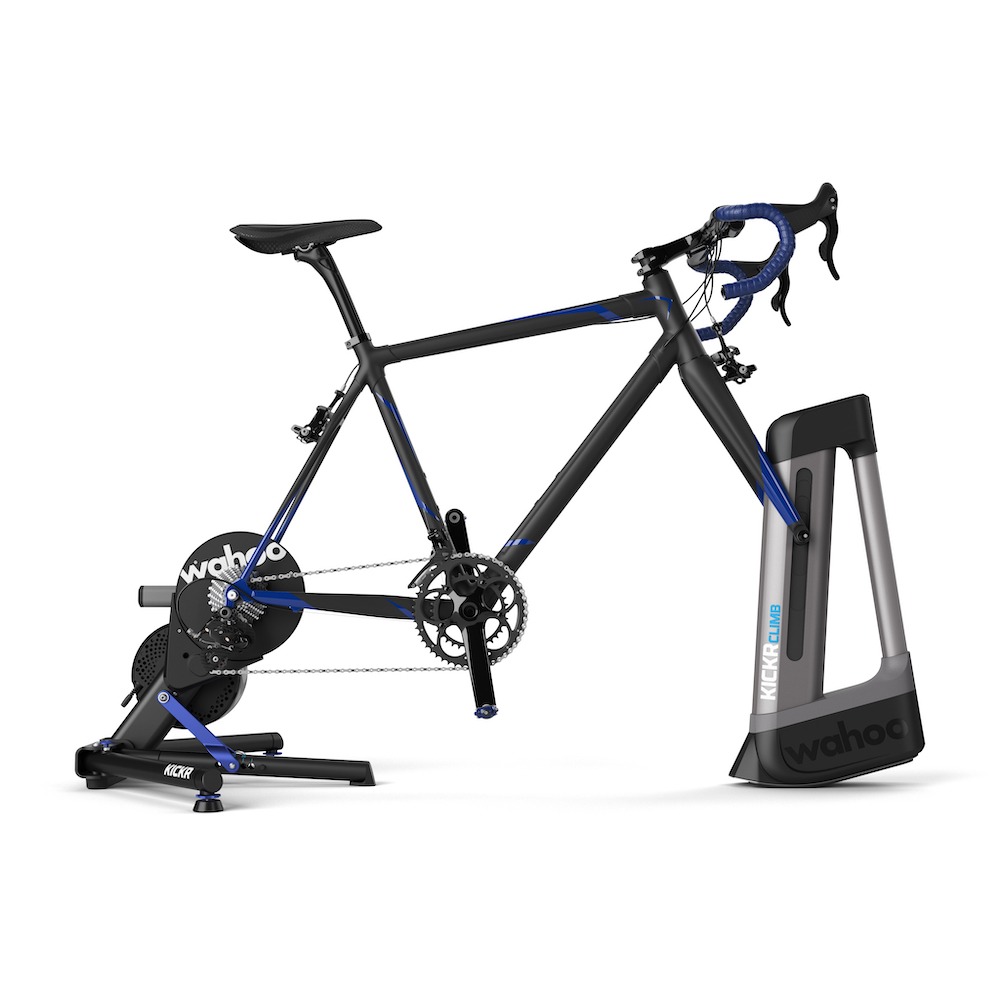
Cold basements, garage corners, and spare bedrooms are turning into serious winter training rooms again. That is why the Wahoo KICKR CLIMB matters to riders who want hill work indoors without staring at a flat front wheel for an hour. The restock conversation is not only about another bike trainer accessory coming back on shelves. It is about cyclists trying to make home miles feel closer to road miles, especially when heat, traffic, darkness, or work schedules shrink outdoor ride time across the USA. For shoppers tracking gear news through consumer product updates, this is the kind of item that can move fast because it solves a narrow but common problem: indoor rides feel too fixed. A strong indoor cycling setup already needs a trainer, fan, mat, screen, and patience. A grade simulator adds movement, position change, and a reason to stand on the pedals when the route turns up. That is a different promise from another screen or sensor. It changes how the bike feels under you.
Why Wahoo KICKR CLIMB Restock Interest Feels Different This Season
The hunger around this restock makes sense because indoor cycling has matured. A few years ago, many home riders were still asking whether a smart trainer was worth the money. Now the question has shifted. People already have the trainer. They have a Zwift route, a training plan, and maybe a fan that sounds like a shop vac. The weak spot is the feeling of the bike staying flat while the screen says the road is climbing.
That disconnect gets old. It matters more for riders who train for hilly fondos, mountain trips, or spring events in states like Colorado, California, North Carolina, and Vermont. Resistance can make your legs burn, but it does not move your body angle. A physical grade device tries to close that gap by lifting and lowering the front of the bike as the ride changes.
The timing also fits how Americans buy training gear now. Many riders no longer wait until January to rebuild the room. They shop around summer heat, fall race goals, winter storms, and the first week they miss a ride because the roads feel unsafe. Restock interest is often a sign that a product has crossed from niche toy to planned upgrade.
Indoor demand is no longer only a winter story
The old idea was simple: indoor training was for snow, rain, or the months when sunset beat you home. That is still true in Minneapolis, Buffalo, Boston, and plenty of other cold-weather places. Yet indoor demand now runs deeper than weather. Many riders use indoor sessions because they are easier to plan around kids, shift work, traffic, wildfire smoke, or summer heat.
A rider in Phoenix may avoid a 105-degree afternoon ride for the same reason a rider in Chicago skips an icy road. The trainer becomes the sane option, not the lazy one. Once that shift happens, people start caring about the ride feel. A basic setup gets you moving. A better indoor cycling setup keeps you coming back when the novelty is gone.
The non-obvious part is that comfort is not the only driver. Boredom costs fitness. If a rider quits twenty minutes early because the session feels dead, the best workout plan in the world will not help. Movement keeps attention alive. It gives the brain a new cue before the legs drift into autopilot.
Why grade simulation hits a nerve with serious amateurs
A lot of cyclists do not need pro-level gear. They need training that matches the rides they care about. If your local Saturday route has rolling climbs, seated grinds, and short out-of-saddle ramps, a flat trainer ride can make the same effort feel oddly disconnected. Your power number may match. Your body position does not.
That is where smart trainer climbing becomes more than a gimmick. When the front end rises, your weight shifts. You feel pressure through your hands, hips, and lower back in a different way. You may reach for the hoods, stand earlier, or settle into a lower cadence because the bike asks for it.
A weekend rider training for a Blue Ridge charity ride is a good example. The goal is not to win a race. The goal is to stop feeling shocked by long climbs. Repeating that body angle indoors can make hill work feel less foreign when the road tilts up outside. That matters for confidence as much as fitness, because most riders crack mentally before they run out of raw strength.
What Physical Grade Changes Add to Home Training
The appeal of a grade simulator is easy to misunderstand. It does not make a trainer harder by itself in the way a higher resistance setting does. The smart trainer still controls the resistance. The front-lift unit changes the bike’s pitch, which changes how your body handles that resistance. That difference sounds small until you ride long enough for your shoulders, core, and glutes to notice.
Wahoo’s official product page lists real-time grade changes up to 20% incline and -10% decline, app or manual control, common front hub support, and compatibility with selected 2017-and-newer Wahoo smart trainers. Wahoo also notes that exact grade changes depend on bicycle size, wheel size, and trainer type. Those details matter because this is not a universal stand. It is a matched system.
The bigger value is not the number on the spec sheet. Most riders will not spend their week at 20% indoors. The value is the way a modest grade change turns a flat room into a ride with shape. A five percent lift can change the mood of a session more than another playlist ever will.
Your legs are not the only thing being trained
Indoor rides can become too neat. Power is clean. Cadence is clean. The room does not move. Your bike stays in one attitude until you climb off. Outdoor riding is messier. The road changes your posture before you have time to think about it.
Physical grade change brings a bit of that mess back. When the front rises, you recruit muscles in a way that feels closer to climbing outside. You may brace through the trunk, shift forward on the saddle, and change how you pull against the bars. None of this replaces outdoor handling, but it does add body awareness to trainer work.
That is the quiet value. A rider who only chases watts may overlook it. But anyone who has felt strong indoors and oddly flat on a long climb knows the issue. Fitness is not only an engine. It is also position, pressure, and timing. A grade simulator reminds you that climbing is a posture skill, not a number alone.
Smart trainer climbing changes how intervals feel
A five-minute climb interval on a flat trainer can feel like a number puzzle. Hold the watts. Watch the timer. Try not to melt. Add grade movement, and the same interval gains a shape. The bike lifts, your posture changes, and the effort feels tied to a place instead of a spreadsheet.
This helps most during route-based rides. A virtual climb feels less fake when the front of the bike responds. It also helps on workouts where the goal is to practice seated climbing, low-cadence work, or controlled standing efforts. You can set the mood of the session without leaving the house.
The counterintuitive point is that the device may make some workouts feel smoother, not harder. When your body position matches the effort, the resistance can feel more honest. Hard is still hard. But it stops feeling so strange. That can help a rider finish the last block instead of bargaining with the clock.
Fit, Setup, and Compatibility Before You Buy
Restocks create pressure, and pressure leads to bad purchases. This is the section that matters before you click. A grade simulator is not a throw-it-anywhere accessory like a towel or sweat guard. It has to fit your trainer, your bike, and your room. It also changes the footprint and movement of your ride space.
Wahoo’s own information says the unit is built for specific Wahoo smart trainers and includes adapters for quick release, 12×100, 15×100, and 15×110 hubs. The official page also lists a 250-pound max user weight and wireless software updates. Treat that as a checklist, not a footnote.
The easiest way to waste money is to treat the brand name as the whole answer. It is not. Bike standards have changed fast, and home trainer setups often mix old frames, newer axles, riser blocks, mats, and borrowed parts. Fit is a system check.
Check your trainer before chasing the restock
The first question is not whether the restock is live. The first question is whether your trainer belongs in the compatible group. If you own an older trainer, a trainer from another brand, or a setup that uses a nonstandard front axle arrangement, pause. Saving ten minutes during checkout can cost you days of returns.
A practical example: a rider with a KICKR CORE from the right generation may have a cleaner path than someone using a wheel-on trainer from years back. The product family names can sound close, but model year matters. So does the front end of your bike.
This is where an indoor gear buyer should act more like a mechanic than a shopper. Read the trainer model, check the axle, look at the bike, and confirm the support page. The device may be exciting. Compatibility is still the gate. A good deal that does not fit is not a deal.
Measure the room, not only the bike
A grade simulator changes how your setup occupies space. The bike does not stay static. It tips up and down, your body moves with it, and your reach to a desk, fan, screen, or bottle can feel different. That matters in a tight apartment, shared garage, or basement corner with low shelves.
The best test is simple. Put your bike and trainer where you plan to ride. Stand next to it. Ask what happens when the front end rises. Will the bars hit a monitor tray? Will the front wheel area crowd a wall? Can the power cable sit safely away from sweat and foot traffic?
This sounds dull until it saves your setup. A bike trainer accessory that moves is more demanding than one that sits still. The good news is that planning once can prevent a pile of small annoyances later. Tape on the floor can help too. Mark the trainer, front support area, fan, and desk before the first hard session.
How to Decide Before the Next Restock Window
The strongest reason to buy is not fear of missing out. It is clear use. If you ride flat recovery spins while watching TV, this may be more machine than you need. If you train routes, climb often, or lose interest during static trainer sessions, the case gets stronger. The buyer who benefits most already knows indoor training works but wants it to feel less locked in place.
It also helps to think of the purchase as part of a full indoor cycling setup. A grade simulator will not fix a hot room, a weak fan, a poor saddle fit, or a trainer that makes you dread riding. Build the base first. Then add movement. That order protects your money because the most exciting part of the room is not always the part holding you back. Heat, fit, and habit usually decide the ride first.
Think about your next ninety days. If you have a hill-heavy event, a vacation route with long climbs, or a winter block built around strength work, the purchase has a job. If you are buying because social feeds made the room look empty without it, wait. Good gear should answer a problem you can name.
Match the purchase to your riding life
A Florida rider training for flat group rides may get more value from a better fan, a larger screen, or structured coaching. A Utah rider preparing for canyon climbs has a stronger reason to care about physical pitch. Neither choice is wrong. The mistake is copying another rider’s setup without asking what problem you are solving.
Smart trainer climbing makes the most sense when climbing is part of your identity or your calendar. Maybe you have a June gran fondo. Maybe your local roads are short and punchy. Maybe you want winter workouts that keep your upper body from feeling asleep. Those are real use cases.
For readers building a bigger pain cave, internal planning matters too. Pairing this kind of item with smart trainer buying advice and home cycling room setup ideas can help you avoid buying one impressive part while ignoring the weaker parts of the room. A room with bad airflow and a premium movement add-on is still a bad room after minute thirty.
Know when the cheaper choice is smarter
The honest take: some riders should skip it. If you are new to indoor cycling, spend time with the trainer before adding another moving piece. Learn your habits. See which sessions you finish and which ones you avoid. The accessory should answer a proven need, not rescue a routine you do not enjoy.
There is also the used-market question. Restocks can cool resale prices, but not always right away. If demand is high, used units may stay close to new pricing, which weakens the appeal unless the condition is excellent. Look for missing adapters, odd noises, damaged cables, and unclear warranty status.
The non-obvious buying rule is patience. If the item comes back and disappears again, that does not mean you failed. A measured purchase beats a rushed one. The best gear is the gear that fits your bike, room, goals, and budget on the same day. That kind of match lasts longer than restock excitement. It also keeps the purchase honest, which matters when a product looks tempting because other cyclists are posting their rooms online.
Conclusion
Indoor cycling has moved past the survival stage. Riders are no longer happy to sit in place, push numbers, and pretend the experience feels close enough. They want home training that respects how outdoor riding actually works: the road shifts, the body responds, and attention follows the change. That is why Wahoo KICKR CLIMB is drawing renewed interest as restock demand builds around more serious home setups. It gives hill work a physical cue that resistance alone cannot fully copy. Still, the right decision depends on fit. Check your trainer, axle, room, and riding goals before the alert hits your inbox. Then decide from your own riding life, not from panic or someone else’s garage photo. The smartest buyer is not the fastest buyer. Build the setup that keeps you riding after the first week, and your winter miles will carry more weight when spring roads open.
Frequently Asked Questions
Is a grade simulator worth it for indoor cycling?
Yes, if you already ride indoors often and want climbs to feel closer to outdoor riding. It adds bike movement and body-position change, not only harder resistance. Casual riders may prefer spending first on a fan, trainer mat, or better screen setup.
Does this type of device make indoor climbs harder?
It changes the bike angle while the smart trainer handles resistance. The effort may feel more natural because your posture matches the virtual climb. Some riders feel more muscle engagement through the core, hips, and upper body during longer hill sessions.
What trainers work with this grade simulator?
Compatibility depends on model and year, so confirm your exact trainer before buying. Current product information points to selected Wahoo smart trainers from 2017 and newer. Older units or trainers from other brands should not be assumed to work.
Do I need a big room for smart trainer climbing?
You do not need a giant room, but you need clearance in front of the bike and around the bars. The setup moves during rides, so check nearby shelves, screens, desks, fan placement, cords, and ceiling height before riding hard.
Is it useful for flat-road riders?
Flat-road riders may get less value unless they use virtual routes or want more movement during workouts. If your main goal is endurance spinning, a fan or comfort upgrade may matter more. Climbers and route-based riders are the stronger fit.
Can beginners use a grade simulator safely?
Beginners can use one, but it makes more sense after they understand their trainer, bike fit, and ride habits. Start with gentle sessions, keep the remote within reach, and avoid standing sprints until the setup feels stable and familiar.
What should I check before buying during a restock?
Check trainer model, model year, bike axle type, included adapters, room clearance, return policy, and warranty terms. Restock pressure can push people into fast decisions. A two-minute compatibility check is better than unpacking gear that does not fit.
Will it replace outdoor hill training?
No. Outdoor climbing still teaches balance, road feel, wind, braking, and handling. The device can make indoor hill work more realistic and consistent, especially during bad weather or tight schedules, but it should support outdoor riding rather than replace it.