
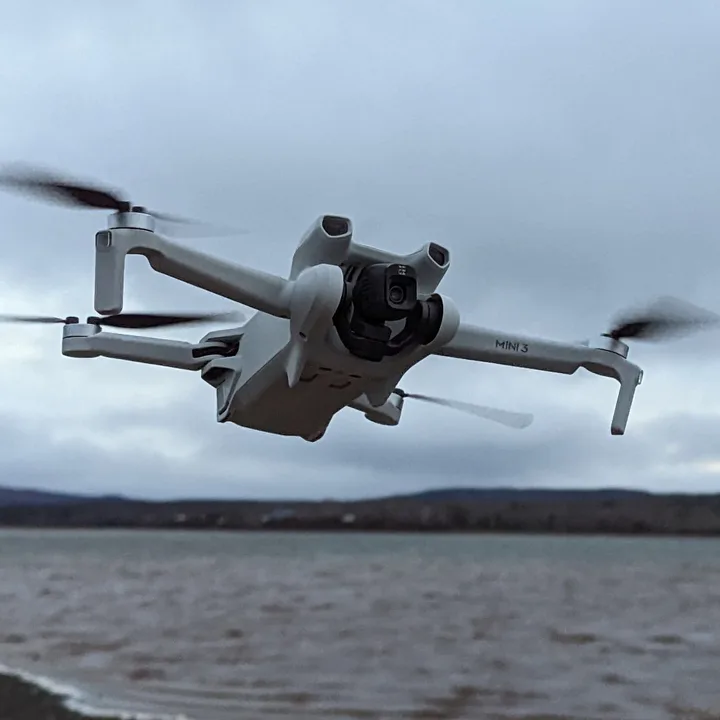
Some gadgets fade after one hot sale cycle, then there are camera drones that keep coming back into the conversation because people missed them the first time. The DJI Mini 3 sits in that second group, and the renewed restock chatter makes sense: shoppers want a small flyer that can shoot clean vacation clips, backyard shots, real estate angles, and social video without feeling like a professional rig. It is a beginner drone in price and size, but not in image feel. DJI lists 4K HDR video, True Vertical Shooting, a 1/1.3-inch sensor, and up to 38 minutes of flight time with the standard battery, which explains why product-watch pages and consumer tech coverage keep circling back when stock opens again. For Americans who have waited through sold-out pages and odd bundle pricing, the smarter move is not panic buying. It is knowing which kit fits your use, which rules apply, and when a restock is worth chasing instead of skipping.
Why the DJI Mini 3 Restock Keeps Pulling in New Flyers
Restocks get loud when a product sits in a sweet spot. This model is not the flashiest drone in DJI’s line, and that is part of the pull. Many buyers do not need the most advanced obstacle sensing or a drone that costs as much as a used laptop. They want clear footage, simple controls, and a packable body that feels safe to learn on.
Small size changes how people actually use it
A drone that lives in a closet usually becomes a regret. A drone that fits in a small shoulder bag gets taken to the lake, the campground, the soccer field parking lot, and the rented beach house. That is the hidden reason the restock matters. The best camera is often the one you are willing to bring.
DJI says the aircraft comes in under 249 grams with the standard setup, which matters for casual U.S. flyers because the FAA registration line starts at 250 grams for recreational drones. That does not erase the rules. It does lower the friction for someone who wants to fly for fun and keep the setup simple.
The non-obvious part is that small does not always mean careless. A lightweight drone can make new pilots more respectful because they feel the limits sooner. Wind, battery planning, and line of sight stop being abstract ideas. You learn them in a park before you ever try a hard shot over water.
Restocks reward prepared buyers, not rushed ones
When stock comes back, the wrong buyer sees only the “Add to Cart” button. The prepared buyer checks the remote, battery bundle, return window, and whether the listing is sold by a trusted retailer. That sounds boring until a cheaper kit arrives without the controller you expected.
At the time of this scan, B&H showed multiple Mini 3 kits in stock, including an RC-N1 remote version at $269 and a DJI RC version at $339, while a Fly More Combo with DJI RC was listed at $449. Those prices can move fast, so the lesson is not “buy from one store.” The lesson is to compare the exact kit, not the headline discount.
A restock also creates a funny pressure: buyers start acting as if every version is equal. They are not. A weekend traveler may care more about spare batteries than a screen remote. A first-time flyer may prefer the built-in screen because it keeps the phone free. The better buy is the one that removes friction from your actual use.
What Buyers Should Check Before Grabbing a Restocked Kit
The restock headline gets attention, but the kit details decide whether you feel smart a month later. Drones are not like Bluetooth speakers. Two boxes with the same aircraft can feel different in daily use because the controller, battery count, and accessories change the whole routine.
The remote choice affects more than comfort
The phone-connected controller keeps the entry price down, and many buyers will be fine with it. You plug in your phone, open the app, and fly. For people who fly a few times each month, that setup can be enough. No shame in that.
The screen controller costs more, but it solves a real annoyance. You do not drain your phone, fight notifications, or change brightness settings in the sun. On a hot July afternoon in Arizona or Florida, that can be the difference between a relaxed flight and a short one.
This is where a drone buying checklist helps. The best checklist does not ask, “Which model is best?” It asks, “Where will you fly, how often, and how patient are you with setup?” A beginner drone should reduce decisions in the field, not add them while the battery ticks down.
Battery bundles can be worth more than a discount
A single battery teaches you patience. Extra batteries teach you how to fly. That sounds backward, but it is true. With one pack, you spend half the session watching the percentage. With two or three, you try the shot again, adjust height, and learn what smooth camera movement feels like.
DJI lists up to 38 minutes with the standard Intelligent Flight Battery, while the Battery Plus option can extend flight time up to 51 minutes in listed conditions. That longer battery may change weight status and rule details, so buyers should read the kit notes before treating it as a free upgrade.
The counterintuitive move is to skip the lowest price if it leaves you under-equipped. A cheaper box with one battery may cost more later once you add a charging hub, spare props, a bag, and memory cards. A fuller kit can look expensive on the product page and feel cheaper after three weekends.
How the Camera Fits Real American Use
A drone does not need cinema language to earn its place. Most Americans buying during a restock are not filming a feature. They are recording a cabin weekend, a truck trail, a backyard renovation, a small business clip, or a family trip where the same old phone angles feel flat.
A 4K camera drone makes ordinary places look planned
The charm of this model is not that it makes every shot dramatic. It makes common scenes easier to frame. A driveway basketball game, a lakeside rental, or a fall road trip through Vermont can look organized from above because the camera creates space around the subject.
DJI’s product page points to 4K HDR video, QuickShots, and True Vertical Shooting, which matters for buyers who post on TikTok, Instagram Reels, and YouTube Shorts. A 4K camera drone with vertical capture saves new creators from cropping a wide shot until it looks cramped.
Still, better footage does not come from resolution alone. It comes from slow movement. New pilots often push sticks too hard because flying feels exciting. The better clip may be a plain 12-second rise over a roofline, held steady, with no stunt in sight.
Vertical shooting explains part of the viral pull
Vertical video used to feel like an afterthought on drones. You would shoot wide, crop later, and lose the part of the frame that made the shot breathe. A rotating camera changes that habit. It lets the subject fill a phone screen without turning the footage into a narrow slice.
That matters for local businesses too. A roofing company in Ohio, a realtor in North Carolina, or a food truck operator in Texas may want short social clips more than long landscape videos. Vertical capture fits where customers already watch.
The odd insight is that social-first footage can make people fly more safely. When your goal is a short vertical clip, you do not need to push far from your launch point. A simple rise, reveal, or pullback near your subject can beat a long-distance flight that adds risk without improving the story.
Rules, Safety, and Timing the Purchase
The buying decision does not end at checkout. A drone is an aircraft in U.S. airspace, even when it feels like a camera toy. That can sound stern, but the practical rules are not meant to scare normal people away. They exist because one careless flight can ruin the hobby for everyone nearby.
The under-250-gram line still has responsibilities
The FAA says recreational flyers must take TRUST and carry proof when flying. It also says recreational drones must be registered if they weigh 250 grams or more. That means the standard sub-249-gram setup can reduce one step for fun flyers, but it does not remove airspace rules, line-of-sight duties, or common sense. See the FAA recreational flyer guidance before your first flight.
The part many first-time buyers miss is payload. Prop guards, heavier batteries, landing gear, strobes, and accessories can change weight. Once you add gear, you should treat the setup as a new aircraft from a rules point of view.
This is not red tape for the sake of it. If you fly near a neighborhood, school field, beach, or trailhead, other people did not agree to be part of your test session. A careful pilot keeps the aircraft close, avoids crowds, checks airspace, and lands before the battery warning becomes a problem.
Timing a restock is about patience, not fear
The worst time to buy is when you feel cornered. Restock headlines make shoppers think the next batch will vanish forever. Sometimes it does sell through. Sometimes the same kit returns days later with a cleaner price.
Best Buy search results also showed Mini 3 bundles available with delivery dates, though some marketplace-style bundles carried higher prices than the camera-store listings. That spread is a reminder to compare seller type, bundle contents, and shipping speed before assuming every “in stock” result is a fair deal.
Use a simple rule: buy when the kit matches your use and the seller is clear. Wait when the price depends on odd accessories you did not ask for. A camera gear deals guide can help you separate a proper discount from a padded bundle that looks richer than it is.
Conclusion
Restock moments are useful because they force buyers to decide what they value. Some people want the lowest price. Some want the screen controller. Some need extra batteries because one flight per outing will never be enough. The DJI Mini 3 makes sense for U.S. shoppers who want a light, friendly camera drone with real travel value, but it still rewards a careful choice. Do not treat every bundle as equal, and do not let a sold-out label rush you into a strange listing. Check the controller, battery count, retailer, return window, and FAA rules before you fly. If the restocked kit fits your plans, move while the price is fair. If it does not, wait for the box that helps you fly more often, with less stress, and better footage.
Frequently Asked Questions
Is the Mini 3 worth buying after a restock?
Yes, it can be worth buying when the price is fair and the kit matches your needs. The best value is usually not the cheapest listing. Check the remote type, battery count, seller, warranty path, and return policy before you commit.
Does a sub-249-gram drone need FAA registration?
For recreational flying, FAA registration is required once the drone weighs 250 grams or more. A standard sub-249-gram setup may avoid registration for fun use, but TRUST, airspace rules, and safe flying habits still apply in the United States.
Which Mini 3 bundle is best for first-time flyers?
A kit with extra batteries is often the better long-term choice. New flyers learn faster when they can repeat shots and practice landing without rushing. A screen controller is helpful too, especially for people who dislike connecting a phone every time.
Can the Mini 3 shoot vertical video for social media?
Yes, it supports vertical shooting, which helps with TikTok, Instagram Reels, and YouTube Shorts. That feature saves time because you can frame for a phone screen during flight instead of cropping a wide video later.
What should I check when a drone restock appears?
Check the seller, kit contents, remote type, battery count, delivery date, return policy, and whether accessories are useful. Some listings look attractive because they include extras, but those extras may not be worth the higher price.
Is the Mini 3 good for travel?
Yes, it fits travel use well because it is small, light, and easy to pack. It works best for scenic pullbacks, beach clips, cabin weekends, road trips, and family memories where a phone cannot capture the full setting.
How many batteries should I buy with a drone?
Two batteries should be the practical minimum for most people. Three feels better for trips, practice sessions, and longer shoots. One battery works for testing the drone, but it can make every flight feel rushed.
Should I buy now or wait for another restock?
Buy now only when the price, seller, and bundle make sense. Wait if the listing feels inflated, lacks the remote you want, or includes accessories you do not need. Restocks often reward calm shoppers more than fast ones.