

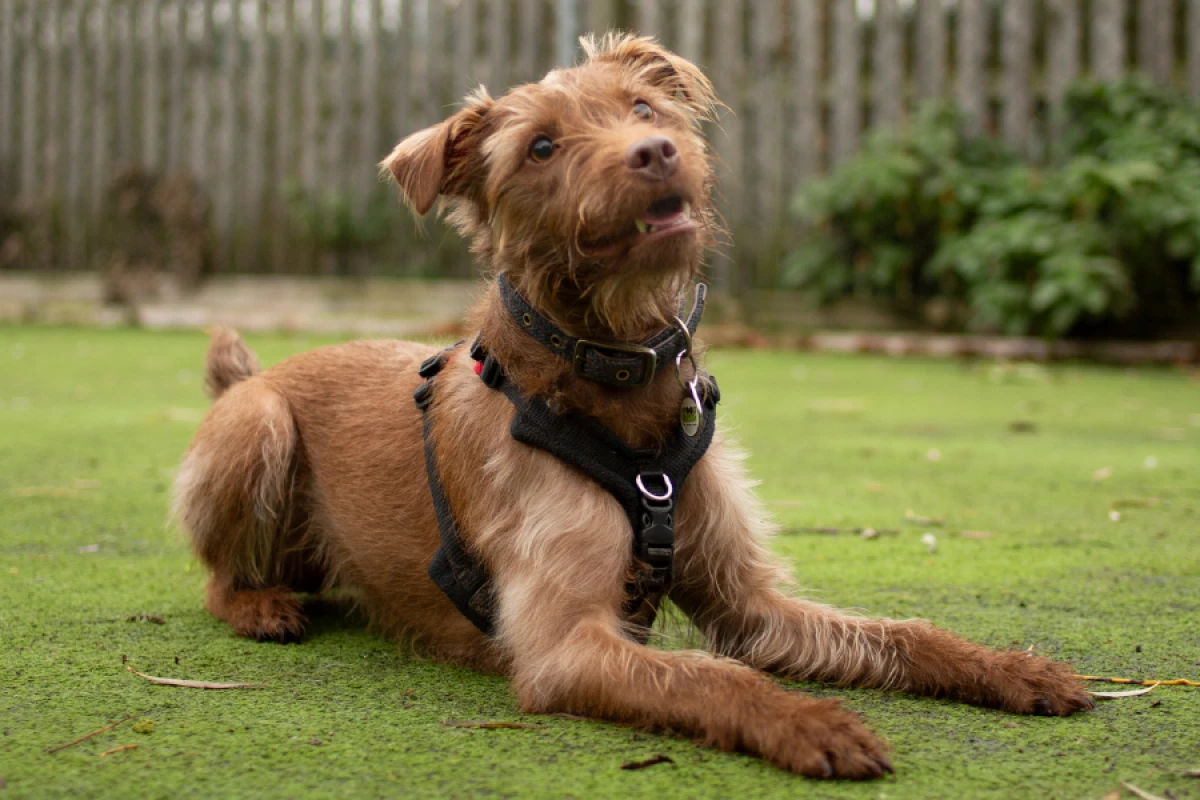
Every dog has a unique personality, learning style, and behavioral pattern. Some dogs naturally respond quickly to commands, while others challenge boundaries, ignore cues, or develop habits that frustrate owners. That is where behavior coaching for stubborn dogs Phoenix families rely on becomes valuable. Effective coaching is not about forcing obedience through fear or punishment. It focuses on communication, structure, consistency, and understanding why a dog behaves the way it does.
Professional coaching helps owners identify behavioral triggers while teaching dogs how to respond appropriately in real-life situations. Whether the issue involves leash pulling, reactivity, excessive barking, jumping, or selective listening, a tailored training approach often produces stronger and longer-lasting results.
Rob’s Dog Training works with dogs that need practical guidance, reliable structure, and personalized behavioral support to improve everyday life for both dogs and owners.
Why Some Dogs Are Considered Stubborn
Many dogs labeled as stubborn are actually confused, overstimulated, under-trained, or inconsistent in their responses because expectations have not been clearly communicated. Certain breeds are naturally more independent and require different motivational approaches than dogs bred specifically for handler responsiveness.
Behavioral resistance can develop from several factors, including:
- Lack of clear boundaries
- Inconsistent training methods
- Insufficient mental stimulation
- Fear or anxiety
- Environmental distractions
- Reinforced unwanted behaviors
- Poor timing during corrections or rewards
Dogs learn through repetition and consequences. If unwanted behavior repeatedly produces a rewarding outcome, the behavior often becomes stronger over time.
Common Behaviors Owners Struggle With
Many stubborn behavior issues appear during routine daily activities. Common examples include:
- Pulling aggressively on walks
- Ignoring recall commands
- Barking excessively at people or animals
- Jumping on guests
- Refusing to settle indoors
- Guarding food or toys
- Reactivity toward dogs or strangers
- Counter surfing and destructive chewing
Behavior coaching focuses on correcting these issues while teaching owners how to maintain consistency after training sessions end.
The Importance of Personalized Coaching
Generic obedience methods do not always work for stubborn dogs. Dogs differ in temperament, confidence level, motivation, drive, and social sensitivity. Personalized coaching allows trainers to evaluate behavioral patterns and create strategies suited to the specific dog.
Key Benefits of Individualized Coaching
Better Communication
Dogs respond more reliably when communication is clear and consistent. Coaching teaches owners how to use timing, body language, leash handling, and reinforcement effectively.
Reduced Stress for Owners
Behavior problems often create tension at home. Structured coaching helps owners feel more confident managing difficult situations.
Improved Social Behavior
Dogs that learn impulse control and environmental awareness are often calmer in public settings and around visitors.
Stronger Long-Term Results
Customized training plans address the root causes of behavior rather than masking symptoms temporarily.
Why Consistency Matters in Dog Behavior Coaching
Consistency is one of the most important factors in successful dog training. Dogs learn through repeated patterns. When rules constantly change, dogs struggle to understand expectations.
For example, allowing a dog to jump on guests occasionally while correcting the behavior at other times creates confusion. Consistent responses help dogs predict outcomes and develop reliable habits.
Areas Where Consistency Is Essential
- Daily routines
- Walking structure
- Command enforcement
- Household boundaries
- Reward timing
- Social interactions
Owners who remain patient and consistent often see gradual but meaningful behavioral improvements.
Understanding Behavioral Triggers
One major advantage of professional behavior coaching is identifying triggers that contribute to unwanted behavior. Many stubborn behaviors are reactions to stress, excitement, fear, frustration, or overstimulation.
Some common examples include dogs barking at windows because of territorial instincts, lunging during walks due to excitement or anxiety, or ignoring commands outdoors because distractions are more rewarding than the handler. Resource guarding may stem from insecurity, while hyperactivity indoors can result from insufficient exercise or mental stimulation.
Understanding these triggers allows trainers to create controlled exercises that teach dogs alternative responses and improve emotional regulation.
Mental Stimulation Is Often Overlooked
Many behavior issues develop because dogs lack sufficient mental engagement. Physical exercise alone may not fully satisfy intelligent or high-energy breeds.
Mental stimulation activities can include:
- Structured obedience drills
- Scent games
- Problem-solving exercises
- Place training
- Controlled social exposure
- Interactive feeding routines
A mentally engaged dog is often calmer, more focused, and easier to guide during training sessions.
The Role of Structure in Behavior Coaching for Stubborn Dogs Phoenix Owners Need
Structure provides predictability. Dogs generally perform better when routines and expectations remain clear. Behavior coaching for stubborn dogs Phoenix owners pursue often includes structured daily systems that reinforce calm decision-making.
Examples of healthy structure include waiting calmly before meals, practicing proper door manners, following controlled leash walking routines, and maintaining scheduled exercise times. Consistent resting areas and focus exercises before rewards also help reduce impulsive behavior while encouraging emotional stability.
These routines help dogs understand expectations and create more dependable behavior patterns over time.
Leash Behavior and Public Manners
Leash problems are among the most common complaints from dog owners. Pulling, lunging, barking, and reacting to distractions can make walks stressful rather than enjoyable.
Behavior coaching helps dogs learn how to remain engaged with their handler despite environmental stimulation.
Effective Leash Coaching Often Includes
- Proper leash pressure communication
- Focus-building exercises
- Controlled exposure to distractions
- Reward timing techniques
- Calm walking patterns
- Impulse-control drills
Reliable leash behavior improves safety while making public outings more manageable.
Why Punishment Alone Often Fails
Many owners attempt to stop stubborn behavior using harsh corrections without teaching alternative actions. Punishment alone may suppress behavior temporarily, but it often fails to address the underlying cause.
Effective behavior coaching combines accountability with guidance. Dogs need to understand both what behaviors are discouraged and what behaviors are expected instead.
Balanced Training Focuses On
- Clear communication
- Fair corrections
- Reinforcement of desired behavior
- Emotional stability
- Predictable routines
- Relationship building
This balanced approach often creates more dependable long-term behavioral improvement.
Socialization and Environmental Exposure
Proper socialization involves more than simply introducing dogs to people and other animals. Healthy exposure teaches dogs how to remain calm, neutral, and responsive in changing environments.
Behavior coaching frequently includes controlled exposure exercises designed to improve confidence and reduce reactivity.
Real-World Training Scenarios May Include
- Walking through busy neighborhoods
- Outdoor restaurant exposure
- Park training sessions
- Greeting visitors calmly
- Passing other dogs without reacting
- Settling in distracting environments
These experiences help dogs practice obedience in situations where many behavioral problems normally appear.
Building Owner Confidence
Dog training is not only about changing canine behavior. It also involves helping owners become more confident and consistent handlers.
Owners often unintentionally reinforce unwanted behavior because they are unsure how to respond in challenging moments. Coaching provides practical strategies that improve leadership and communication.
Coaching Helps Owners Learn How To
- Read canine body language
- Identify stress signals
- Manage high-distraction environments
- Maintain calm energy
- Reinforce commands properly
- Prevent accidental reinforcement of bad habits
Confident handling often leads to calmer and more reliable dog behavior.
Why Early Intervention Matters
Behavior problems rarely disappear without guidance. In many cases, unwanted habits become stronger the longer they are repeated.
Early coaching can help prevent escalating aggression, severe leash reactivity, destructive habits, anxiety-based behaviors, poor social skills, and unsafe public behavior. Addressing issues early usually produces faster and more manageable progress.
Choosing the Right Behavior Coaching Program
Not all training programs are equally effective. Dog owners should look for trainers who emphasize practical behavior application rather than short-term performance.
Important Qualities To Look For
Real-World Training Experience
Dogs should practice skills in realistic environments rather than only controlled indoor settings.
Customized Coaching Plans
Programs should adapt to the dog’s temperament, behavioral history, and household dynamics.
Owner Education
Strong coaching programs teach owners how to maintain progress independently.
Balanced Communication
Dogs respond best when expectations are fair, clear, and consistent.
Long-Term Behavioral Focus
Training should prioritize reliability, emotional control, and practical daily behavior.
Long-Term Success Requires Ongoing Reinforcement
Even after major progress occurs, dogs still benefit from continued reinforcement and practice. Behavior is shaped through repetition over time.
Owners who maintain structure, routines, and communication standards are more likely to preserve long-term behavioral improvements.
Helpful maintenance habits include short daily obedience sessions, continued leash practice, controlled greetings, routine mental stimulation, reinforcing calm behavior indoors, and practicing commands in new environments.
Consistent reinforcement helps prevent regression while strengthening learned habits.
Final Thoughts
Behavior coaching for stubborn dogs Phoenix pet owners seek is about far more than teaching basic commands. It involves understanding canine behavior, improving communication, establishing structure, and building reliable habits that work in everyday life.
Dogs that struggle with stubbornness often need patient guidance, consistent leadership, and training strategies tailored to their specific personality and environment. With the right coaching approach, many challenging behaviors can improve significantly over time.
Rob’s Dog Training Official Website provides professional support for owners looking to improve obedience, strengthen communication, and create calmer, more reliable behavior in real-world situations.